


Serving Spokane, Spokane Valley, Medical Lake, Cheney, Liberty Lake, and surrounding Eastern Washington communities.
Have a question about selling your home? Call or text Chelsea and the MFP Team directly at (509) 565-1581.

How to Start Your Search
A home search can look simple from the outside: choose a neighborhood, tour a few properties, make an offer. In reality, Spokane real estate decisions often turn on details that do not fit neatly into a listing photo or an online estimate. Commute patterns, lot conditions, school preferences, financing terms, inspection findings, and a seller's timing can all change what makes a property the right move.
That is why the best starting point is not a map or a price filter. It is an honest conversation about what you need from this next chapter. Whether you are buying your first home, preparing to sell a longtime property, relocating to the Inland Northwest, or considering an investment or retirement purchase, a clear plan gives every decision a purpose.
Spokane Real Estate Is a Collection of Local Markets
Spokane is not one uniform housing market. A home near downtown may appeal to a buyer who wants walkability, dining, and access to work, while a buyer looking north or south may prioritize a larger yard, a newer layout, or a different pace of life. Nearby communities and Idaho options can widen the search further, but they also introduce different tax considerations, commute realities, utilities, property types, and local regulations.
Price is part of the picture, but it is not the whole picture. Two homes with similar square footage can carry very different long-term costs and opportunities. One may have a newer roof, updated mechanical systems, and efficient windows. Another may offer a larger lot or a more desirable location but require repairs that should be reflected in the offer strategy and ownership budget.
Local knowledge matters because market conditions can vary by neighborhood and property type. A well-maintained, appropriately priced home may attract quick attention, while an unusual property, a rural parcel, or a home needing significant work may require a more targeted approach. Broad headlines about whether it is a "buyer’s market" or "seller’s market" rarely answer the question that matters most: what is happening with homes like yours, in the area that matters to you?
Buying a Home: Focus on Fit Before Competition
A competitive situation can create pressure to act fast. Preparation helps you move decisively without treating a major financial decision like a gamble. Before touring homes, clarify your preferred monthly payment, available funds for closing and reserves, acceptable commute, must-have features, and the compromises you are willing to make.
Pre-approval is an essential early step, but buyers should also understand the difference between what a lender approves and what feels comfortable in daily life. A payment that technically works may leave little room for maintenance, travel, savings, or the changes that come with a growing family or retirement. The right purchase supports your life after closing, not just your ability to win an offer.
Look Beyond the Showing
During a tour, it is easy to focus on finishes, staging, and first impressions. Take time to consider the systems and setting that will affect ownership. Ask about the age and condition of the roof, HVAC equipment, water heater, windows, sewer connection or septic system, and electrical panel. Notice drainage, driveway access, neighboring property uses, traffic noise, and the practical flow of the home.
No property is perfect, and inspection results do not automatically mean a transaction should end. They give buyers information. Some findings are ordinary maintenance items; others may affect safety, financing, insurance, or the true cost of ownership. The right response depends on the severity of the issue, the home's price, the available alternatives, and the seller's willingness to address concerns.
A strong offer is more than a high number. Financing strength, earnest money, timelines, contingencies, and clarity can all influence a seller's decision. Buyers deserve an advocate who can explain those terms clearly, identify the risks, and help them compete without giving away protections they may later need.
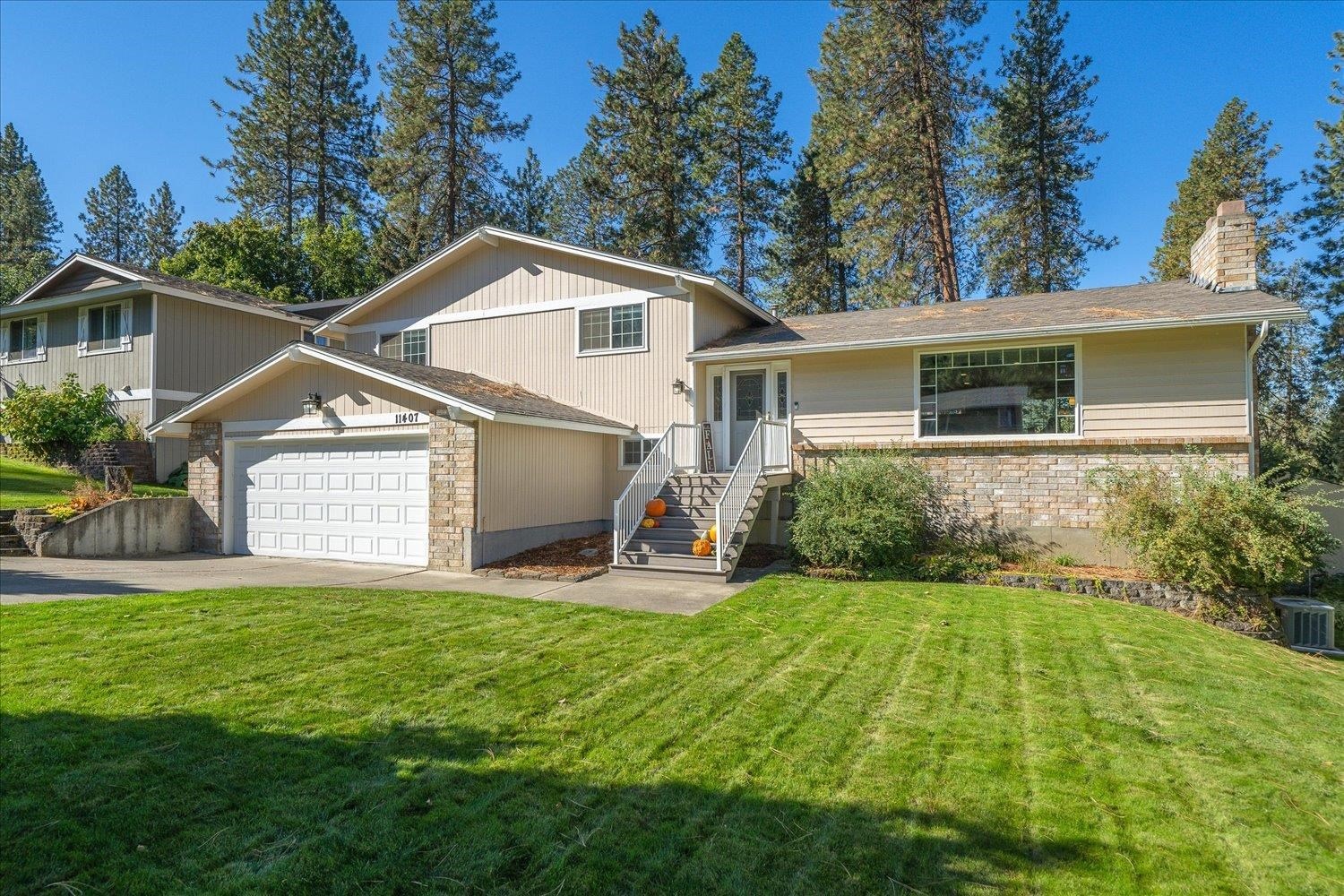
Selling a Spokane Home: Strategy Starts Before the Listing
Sellers often ask one question first: what is my home worth? It is a fair question, but a useful answer requires more than an automated estimate. A thoughtful valuation considers recent comparable sales, active competition, pending properties, condition, improvements, lot characteristics, and the likely buyer pool for the home.
Pricing too high can make a new listing feel less compelling when buyer interest is strongest. Pricing too low without a plan can create a different kind of uncertainty. The goal is not to pick a number that feels good in conversation. It is to position the home in a way that reflects its value and encourages the right buyers to take action.
Preparation Should Be Practical, Not Performative
Not every seller needs a full renovation before listing. In many cases, cleaning, decluttering, minor repairs, fresh touch-up paint, and attention to curb appeal can make a meaningful difference. In other cases, a larger repair or update may be worth considering because it removes an objection that would otherwise affect offers.
The decision should be based on likely return, timing, and the condition of competing homes. Spending money simply because a project sounds impressive is not always wise. A seller preparing for a move on a tight schedule may benefit more from a focused plan and accurate pricing than from an extensive remodel with an uncertain payoff.
Presentation and communication work together. Professional marketing can bring buyers through the door, but prompt responses, showing coordination, feedback review, and skilled negotiation help convert interest into a workable contract. Once an offer arrives, the highest price is not always the strongest offer. Financing, contingency dates, appraisal risk, repair requests, and the buyer's ability to close deserve close attention.
Thinking about selling your home?
We can help you understand your property’s current value, active competition, and what to do and not do before listing your home.
Call or text Chelsea at (509) 565-1581, or email chelsea@mcfarlandprey.com.
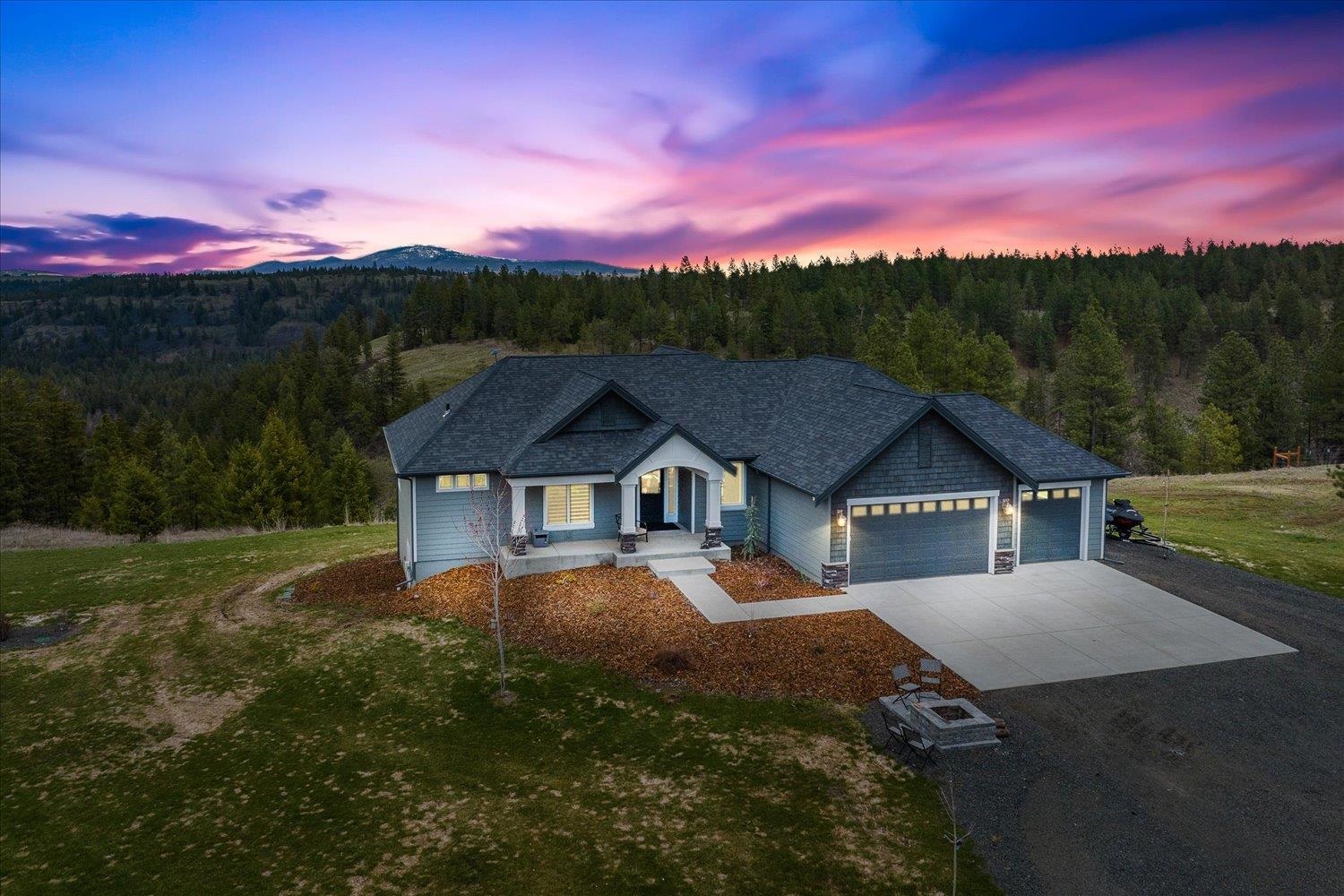
Relocating Requires More Than a Virtual Tour
For out-of-area buyers, the Inland Northwest can offer an appealing mix of city amenities, outdoor access, distinct neighborhoods, and choices across Washington and Idaho. But distance can make it harder to judge the everyday details that shape satisfaction after a move.
Virtual tours are helpful, yet they cannot fully show how a street feels at different times of day, how long a drive takes in normal traffic, or how a home's location fits your routine. Relocation planning works best when priorities are specific. Consider employment location, medical access, airport needs, weather preferences, recreational interests, family connections, and how much travel back to a previous home base you expect.
A remote purchase also needs dependable coordination. Inspection scheduling, document review, lender communication, repair negotiations, and final walk-through planning can move quickly. Clear updates and a team that stays personally accountable can reduce the stress of managing a transaction from hundreds of miles away.
The Right Advice Is Not One-Size-Fits-All
There is no universal rule that says buyers should always wait for lower rates, sellers should always list in a particular season, or investors should always choose one type of property. Interest rates matter, but so do inventory, payment comfort, job changes, equity, and personal timing. A homeowner with substantial equity may have options that differ greatly from a first-time buyer. A buyer with flexibility may approach a negotiation differently than a family with a firm move deadline.
The value of experienced representation is not pressure to act. It is having someone who listens, explains the trade-offs, protects your interests, and keeps the details moving forward. At McFarland Prey Real Estate, that relationship-first approach is built around responsive communication and guidance that stays focused on your goals.
A move does not need to be rushed to be successful. Start with the questions that matter most, gather local information that applies to your situation, and give yourself an advocate who will be direct when a decision deserves a closer look. Impossible becomes possible with the right people on your side.

About Chelsea McFarland
Chelsea McFarland is a real estate broker serving Spokane, Spokane Valley, Medical Lake, Cheney, Liberty Lake, and surrounding Eastern Washington communities.
She helps homeowners understand their property’s value, prepare for the market, and make informed decisions about when and how to sell.
Thinking about selling?
Call or text Chelsea directly at (509) 565-1581, email chelsea@mcfarlandprey.com